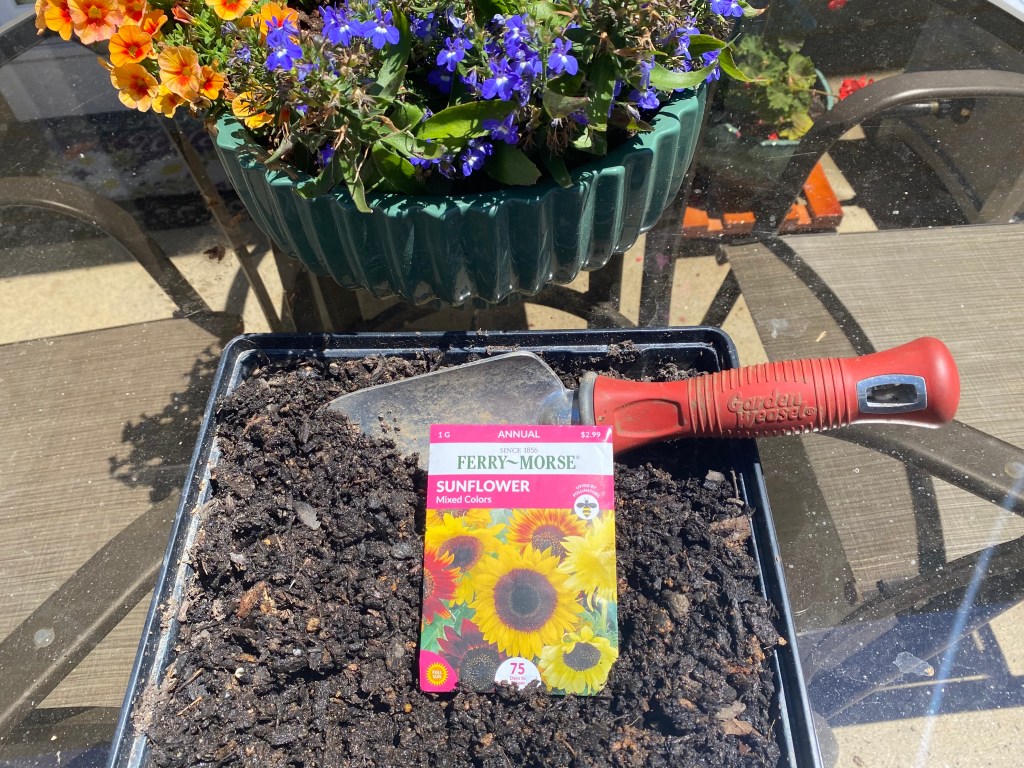
This morning I spaded holes in my patio garden for the six sunflower plants that survived being washed out from downpours. I bought a third packet of seeds, determined that this year I’d have enough of the tall ones to stand watch at the back of the garden and small ones in front to cut and enjoy inside. Only sunflowers and morning glories are given the attention needed for seeds; everything else in my garden is an example of immediate gratification, paying for the healthy plants already blooming at my local Lowe’s home store. I’m not a patient gardener; I’m really not patient about much of anything 😦
Some people have greater patience, waiting for growth over time — whether it’s seeds or the bigger things in life. I was shown an example of that years ago on a solo journey to Martha’s Vineyard, Massachusetts.
I was 52 years old when I heard a co-worker tell about staying there in a hostel with her Girl Scout troop. I searched online and found the organization Hostelling International (HI). I knew about hostels in Europe, but I didn’t know about them in the US. I checked online and the organization and the Martha’s Vineyard facility are still in operation — now 18 years later. My reasons for staying in a hostel included having less expensive lodging and a ready community of fellow travelers– especially since I was alone. Back then, I got my women’s dorm room for $27.00/night and now the price is $45.00/night with a 10% discount for HI Members. That was the most economical way to stay on that island.
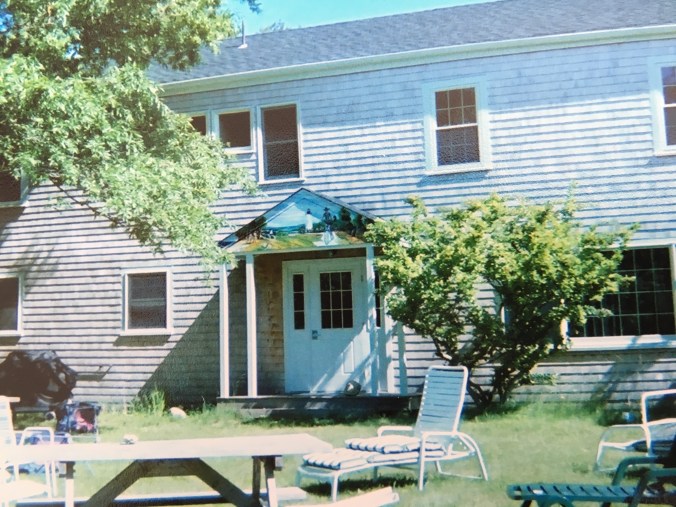
The thing I loved most was the welcoming farmhouse kitchen which was the heart of the hostel. (Their website has pics including that knotty-pine kitchen) Most of my rich conversations were there — sipping coffee with a worn-out young mother from Boston, helping Irish college graduates make their pancakes, and discussing chicken with peanut sauce with a HI staff member from Israel –who also worked as an island shuttle bus driver. There were other women and men traveling solo, a private school group of boys and girls on an end of year trip, and folks from a cycling club who came to the hilly island to prepare for an upcoming race.
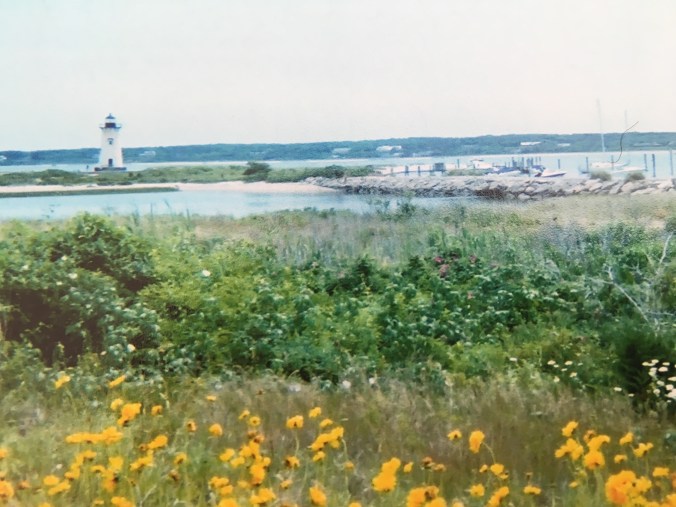
My five days there were filled with adventures: exploring the picturesque marina and shops of Edgartown, watching the sunlight dapple the Clay Cliffs of Aquinnah, shopping like a local at the Saturday Farmer’s Market at West Tisbury.
By Sunday, I was ready for a quiet day. I felt the longing for family, my own sons and then further back, my family when I was a child. My parents took me and my two sisters to visit relatives on Sunday afternoons, most who lived in the country. I loved exploring the area around their houses — often with interesting buildings — barns, tool sheds, smoke houses, tobacco barns, etc. Trees were also part of that exploration, looking for ones that could be climbed, had low-hanging fruit, or had a swing attached to a sturdy limb. On our farm my favorite trees were the chinaberry that we easily climbed and was a perfect tree house, an apple tree that had yellow apples that Mama made into chunky applesauce, and an oak tree that’s sturdy lower limb supported a tire swing.
My longing led me to the Polly Hill Arboretum. Its name immediately drew me because it reminded me of my Aunt Polly — who’d been special to me, living with us from the time I was in 5th to 7th grade. She and I loved to wander in the woods, pick blackberries, find Christmas greenery, and plant flowers.
The grounds of the arboretum had formerly been a sheep farm before Polly Hill’s parents had turned the property into their summer home in 1926. When Polly inherited the property at the age of fifty, she planted seeds in a small nursery bed. She didn’t resort to the quicker method of using plants; she started the slow process with seeds and was reportedly a practical gardener who learned from trial and error.
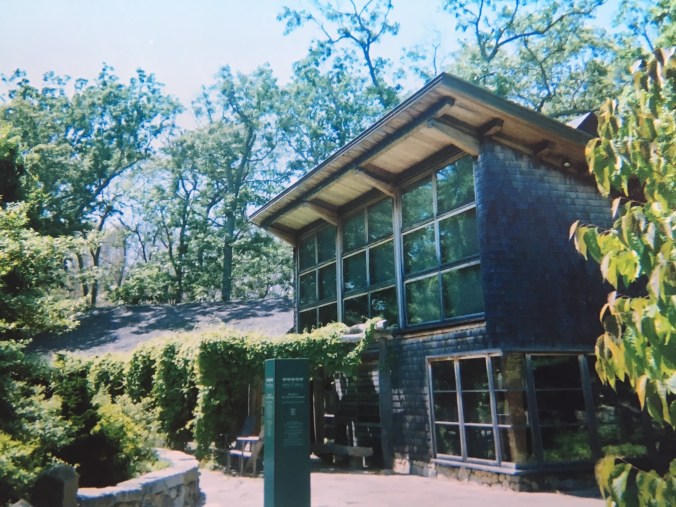
I walked about the twenty cultivated acres with a wide variety of plants and trees. Eventually, I found an apple orchard. I sat on a bench and pulled out my lunch of a PBJ sandwich. Eating in the quiet shade, I could envision Polly Hill sowing a single seed when this land was a blank canvas, a field of possibility. As time progressed, her vision grew to develop an arboretum. She experimented with seeds that no one would have predicted would grow in that region of the Northeast. With her patience and generosity, she successfully grew the plants and in time shared them with people around the globe.
At fifty, Polly Hill had no idea that she’d only lived half her life. She couldn’t see ahead to all she would accomplish.
Since I visited the arboretum 18 years ago, I’ve thought back fondly to sitting under that apple tree, eating my Sunday sandwich, and considering Polly Hill’s life. When I plant my morning glories and sunflowers, I remember how she “started the slow process with seeds and was reportedly a practical gardener who learned from trial and error.” I also factor in that she’d only lived half of her life, and there was plenty of time left for trial and error.
How often do I feel rushed in life and impatient with trial and error, not allowing the space to learn in that organic way?
I don’t know how this new pack of seeds will do; I hope I can keep them from being flooded out so I’ll have those sunflowers to complete my garden. And I also hope, that in time, I’ll be more patient with other things in life that beg to move by a slow process.
Best to you in the gardens that you’re planting, in the hopes you have for your life.
Connie
 Connie Rosser Riddle